



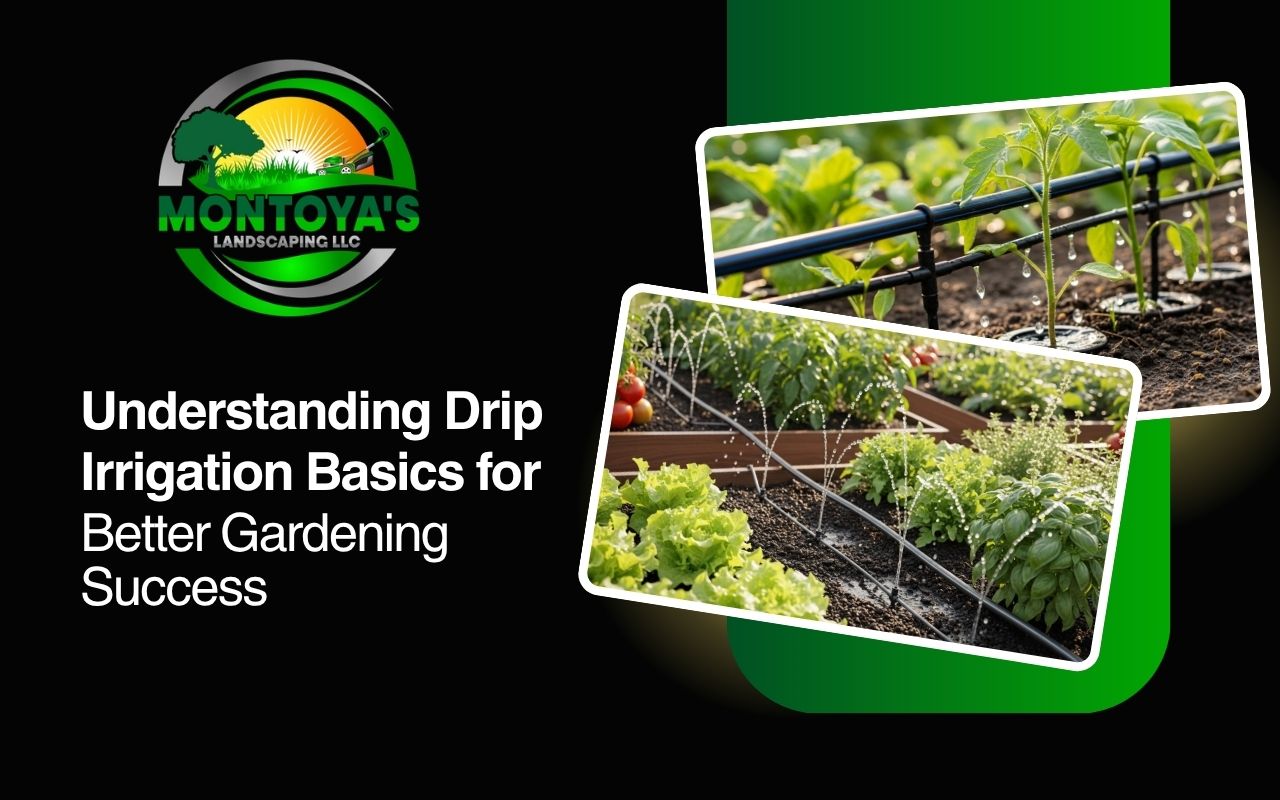
Understanding Drip Irrigation Basics for Better Gardening Success
Watching a garden struggle after careful watering can feel frustrating. Hoses and sprinklers may seem simple, but they often waste water and miss the roots that need moisture most.
With drip irrigation basics, you can water plants in a cleaner and smarter way. At Montoya's Landscaping LLC, we help homeowners understand simple steps that support healthier plants, less waste, and easier garden care.
Smarter Watering for Healthier Garden Growth
Drip systems send water slowly to the soil near each plant. This helps roots get steady moisture without soaking leaves, walkways, or empty areas of the yard.
Traditional watering can cause runoff, dry spots, and too much water in the wrong places. A focused system helps plants grow stronger while making your garden routine easier to manage.
Less water waste from spraying or runoff
Better moisture near the root area
Fewer wet leaves that may lead to plant problems
Lower weed growth in nearby dry areas
Key Parts of a Simple Drip System
A helpful drip irrigation guide starts with the right parts. Most systems use a water source, pressure regulator, filter, tubing, emitters, fittings, stakes, and end caps.
The filter helps keep dirt from blocking the small openings. The regulator keeps water pressure gentle, while emitters release water slowly near the plants.
Montoya's Landscaping LLC can help you choose parts that fit your yard layout, plant types, and watering needs without making the setup feel confusing.
How Should You Plan the Layout?
Good planning makes drip system basics easier to follow. Start by looking at your garden beds, plant spacing, and areas that need similar amounts of water.
Group plants with similar needs in the same watering zone. For example, vegetables may need more water than desert plants, so they should not share the same line.
Measure each garden bed before placing tubing
Mark plants that need more or less water
Keep valves and filters easy to reach
Use curves or branches to fit the shape of the bed
Water Needs That Match Your Plants
Each plant has different water needs, so the system should match the garden instead of using one setting for everything. This helps prevent dry roots and soggy soil.
Check plant tags, soil moisture, and sun exposure before setting watering times. Plants in hot, open areas often need longer watering than plants in shaded spaces.
When we explain drip irrigation basics, we focus on simple choices that help your plants get steady water without overdoing it.
Installation Steps That Keep Water Flowing
Place the main tubing along the garden bed first. Then connect smaller lines or emitters near the base of each plant so water reaches the root area directly.
After everything is connected, turn on the water and check each emitter. Look for leaks, blocked flow, or areas where tubing needs better support.
Lay tubing before cutting any sections
Use stakes to keep lines in place
Place emitters near roots, not on leaves
Cap line ends to keep steady pressure
Care Tips for Long-Term System Performance
Regular drip irrigation maintenance keeps the system working well. Walk through the garden often and check that each emitter drips evenly.
Clean the filter, flush the lines, and fix loose fittings when needed. These small steps help prevent bigger problems later and keep water moving where it should.
Montoya's Landscaping LLC also recommends adjusting watering times as the seasons change. Hot weather, rain, and plant growth can all change how much water your garden needs.
Frequently Asked Questions
What are the main drip irrigation basics for beginners?
The main steps are choosing the right parts, placing tubing near plants, setting steady water flow, and checking the system often for leaks or clogs.
How often should I check my drip system?
Check the system once a week during active growing seasons. Look for dry spots, clogged emitters, loose tubing, or water spraying from damaged areas.
What causes common drip irrigation troubleshooting issues?
Common issues include clogged filters, kinked tubing, blocked emitters, low pressure, and small leaks. Most problems are easy to fix when found early.
Can drip irrigation work for small gardens?
Yes, drip irrigation can work well for small beds, raised planters, containers, and larger yards. The layout can be adjusted to fit the space.
Where can I get help with drip irrigation tips?
You can reach Montoya's Landscaping LLC through our contact page to discuss your garden and watering needs.
Build a Garden That Uses Water Wisely
A well-planned drip system can make garden care feel simpler and more reliable. It supports strong roots, saves water, and helps each plant get the moisture it needs.
Montoya's Landscaping LLC is ready to help you improve your outdoor space with practical watering solutions. Explore our landscaping services or contact our team to plan your next step.

